February 16, 2026
Surveying plays a quiet but essential role in nearly every structure, road, and utility system people rely on every day. From determining property boundaries to guiding massive infrastructure projects, surveyors provide the data that engineers, planners, and builders depend on. While many people assume all surveyors do the same kind of work, there are important distinctions within the profession. Two roles that are often confused are land surveyors and civil engineering surveyors. Understanding how they differ can shed light on how projects move from concept to reality.
Although both professions work with measurements, mapping, and spatial data, their responsibilities, training, and daily tasks vary in meaningful ways. These differences influence how projects are designed, approved, and constructed. Exploring these roles side by side helps clarify how each contributes to the built environment and why both are necessary for successful outcomes.
Foundations of Land Surveying
Land surveyors focus primarily on defining and documenting property boundaries. Their work establishes where one parcel of land ends and another begins, which is critical for ownership, zoning, and development. They rely on historical records, legal descriptions, and physical markers to ensure accuracy, often reconciling modern measurements with decades-old documentation. This type of surveying has deep roots, dating back centuries, and continues to be essential for real estate transactions, land use planning, and resolving boundary-related questions before projects move forward.
In contrast, the civil engineer surveyor operates in a broader project-focused context. Rather than concentrating solely on property lines, this role supports the planning and execution of infrastructure projects. Measurements are tied to design requirements, grading plans, and long-term performance considerations, such as drainage behavior or structural stability. While both professions value precision, the scope of application sets them apart and influences how data is collected and applied.
Educational and Licensing Differences
Becoming a land surveyor typically involves specialized education in surveying or geomatics, followed by licensure requirements that vary by state. Coursework emphasizes boundary law, mapping techniques, and measurement science, along with a strong understanding of legal documentation. Licensing ensures surveyors understand legal standards and ethical responsibilities tied to land ownership, public records, and professional accountability.
A civil engineer surveyor usually has a background in civil engineering or closely related fields. Education often includes structural principles, materials, hydrology, and transportation systems, alongside advanced mathematics and design analysis. Licensure may overlap with engineering credentials, reflecting the role’s integration with design and construction processes. This difference in academic focus shapes how each professional approaches problem-solving in the field.
Scope of Work and Project Involvement
Land surveyors are often involved at the beginning of property-related projects. Their surveys inform buyers, sellers, attorneys, and local governments about exact boundaries and potential encroachments. This information supports decisions about land division, easements, setbacks, and compliance with local regulations before development plans are finalized.
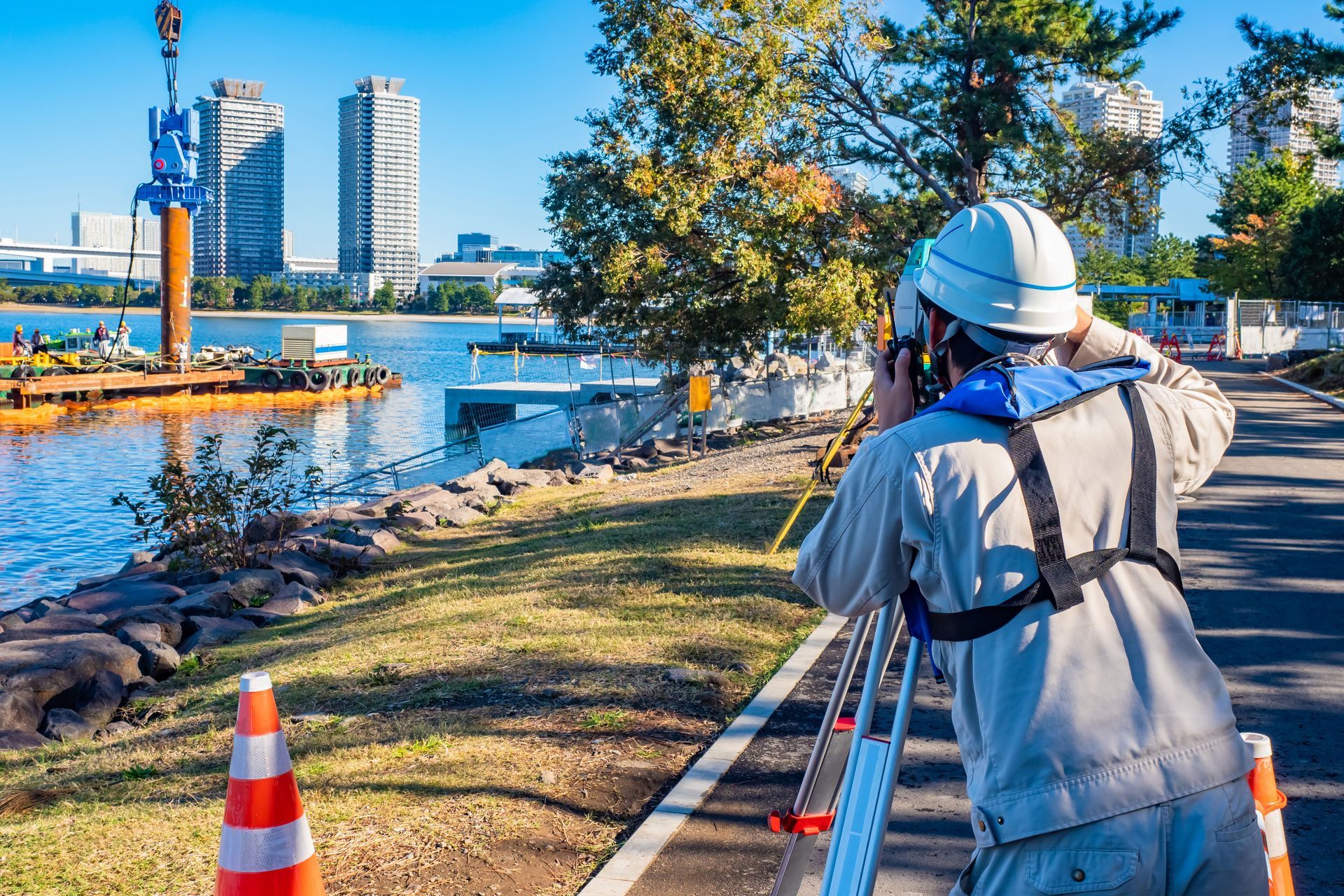
The civil engineer surveyor becomes deeply involved once a project moves toward development. Their data feeds directly into engineering plans, helping determine elevations, alignments, and drainage patterns. This role continues throughout construction, ensuring designs are implemented accurately and safely as conditions change.
Technology and Tools Used in the Field
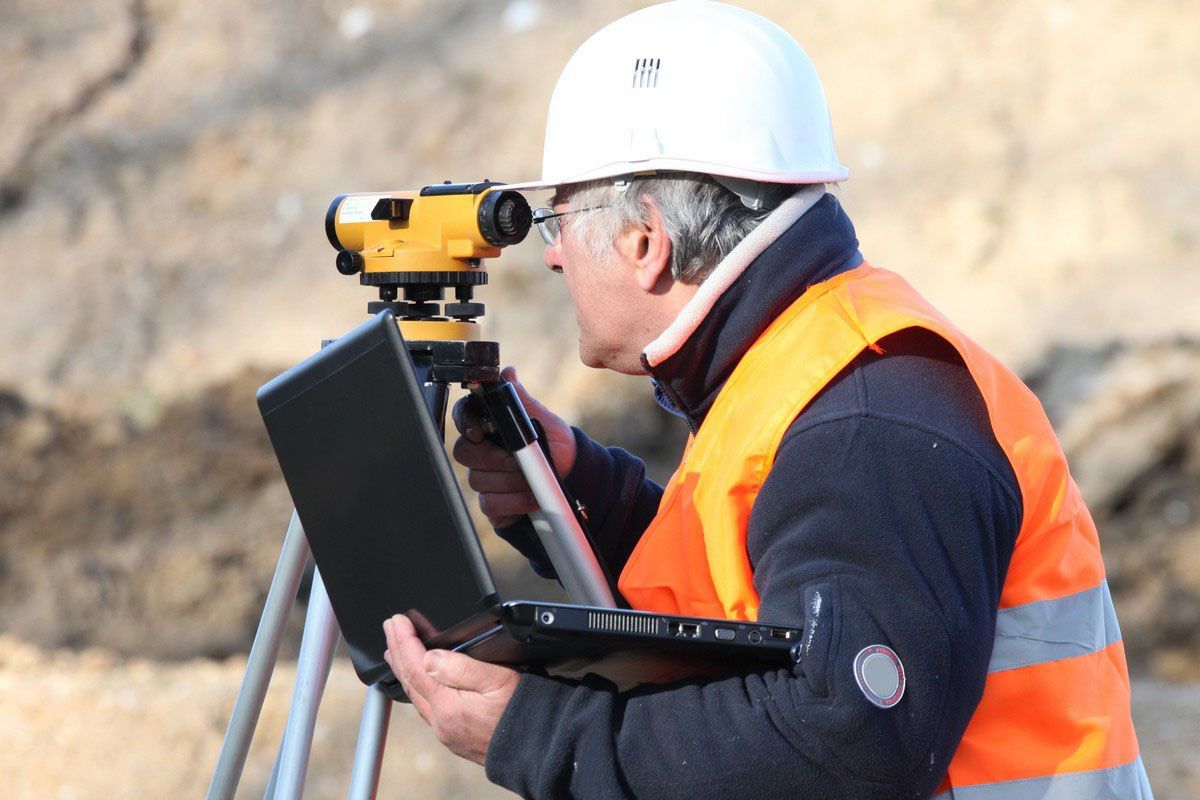
Both types of surveyors use advanced technology, including GPS systems, total stations, and data modeling software. However, how these tools are applied differs. Land surveyors often focus on high-precision boundary measurements and recordkeeping that aligns with legal standards and archival requirements.
A civil engineer surveyor applies similar tools to analyze terrain, calculate volumes, and support design changes. These measurements may be revisited multiple times as a project evolves. The emphasis is less on static boundaries and more on adapting data to meet engineering goals.
Legal Versus Design-Oriented Responsibilities
Legal accuracy is central to land surveying. Errors can lead to disputes, delays, or financial losses. Surveyors must interpret deeds, plats, and historical documents with care, ensuring their work stands up to legal scrutiny and remains defensible over time.
The civil engineer surveyor, while still accountable for accuracy, focuses more on how measurements support design intent. Their work informs decisions about load capacity, slope stability, and material placement. This design-oriented responsibility connects surveying directly to engineering performance.
Infrastructure Role and Public Works
Land surveyors may contribute to public projects by defining rights-of-way or assisting with land acquisition. Their role ensures governments and agencies understand the land they are working with before construction begins and helps prevent future boundary conflicts.
According to Gitnux, civil engineering projects contribute approximately $2 trillion annually to the U.S. economy. Within this massive sector, the civil engineer surveyor plays a key role by providing data that keeps projects aligned with technical and regulatory requirements. Their work supports roads, bridges, water systems, and other infrastructure that communities depend on daily.
Collaboration with Other Professionals
Land surveyors frequently collaborate with attorneys, real estate professionals, and planners. Their findings influence legal decisions and long-term land use strategies. Clear communication is essential, as survey results often form the basis for contracts and permits.
The civil engineer surveyor works closely with engineers, architects, and construction managers. Their measurements guide design adjustments and construction sequencing. This collaboration ensures that plans translate accurately from drawings to physical structures.
Project Timelines and Ongoing Involvement
Many land surveying projects are completed in defined phases. Once boundaries are established and documented, the surveyor’s role may conclude unless future changes occur. This episodic involvement aligns with property transactions and regulatory milestones.
A civil engineer surveyor often remains engaged throughout a project’s lifecycle. From initial site analysis to final as-built documentation, their work evolves alongside construction progress. This ongoing presence helps maintain alignment between design intent and real-world conditions.
Data Interpretation and Reporting
Reports prepared by land surveyors are typically formal documents that become part of public or legal records. Clarity, consistency, and adherence to standards are critical. These reports may be referenced years later in disputes or development reviews.
The civil engineer surveyor produces data that feeds into models, plans, and construction documents. Reporting may be iterative, with updates reflecting design changes or field conditions. The focus is on usability for engineering analysis rather than long-term legal reference.
Career Paths and Professional Focus
Land surveyors often build careers centered on property law, cadastral mapping, and land development support. Their expertise becomes especially valuable in regions experiencing growth or redevelopment, where accurate boundary data is in high demand and regulatory oversight continues to expand alongside evolving land-use policies.
The civil engineer surveyor may progress into broader engineering or project management roles. Their experience with complex infrastructure projects opens doors to leadership positions within engineering firms or public agencies, often involving long-term planning, coordination, and oversight responsibilities across multidisciplinary teams.
If you’re planning a project that requires clarity, accuracy, and experienced guidance, a quick conversation with Regester Associates, Inc can help you move forward with confidence.
While a land surveyor and a civil engineering surveyor share foundational skills, their roles serve different purposes within the development process. One safeguards property boundaries and legal clarity, while the other supports design, construction, and infrastructure performance. Recognizing these distinctions helps project owners, planners, and communities appreciate how surveying contributes to safe, efficient, and well-executed projects.
Both professions continue to evolve alongside technology and development needs. Together, they form a critical link between the land itself and the structures built upon it, ensuring that progress is grounded in precise, reliable information.