July 9, 2026
A safe building site, roadway, drainage system, or development plan does not happen by accident. Every stable structure begins with careful evaluation and a clear understanding of how land, materials, water, and people interact. When those details are overlooked, property owners and communities can face costly repairs, unsafe conditions and long-term structural concerns.
Civil engineering plays an important role in preventing those problems before they begin. By combining site analysis, design planning, surveying, and construction oversight, professionals help projects move forward with greater safety and stronger long-term performance. Across commercial sites, residential developments, and public infrastructure, the right planning can protect people and support structures that are built to last.
Evaluating Existing Site Conditions
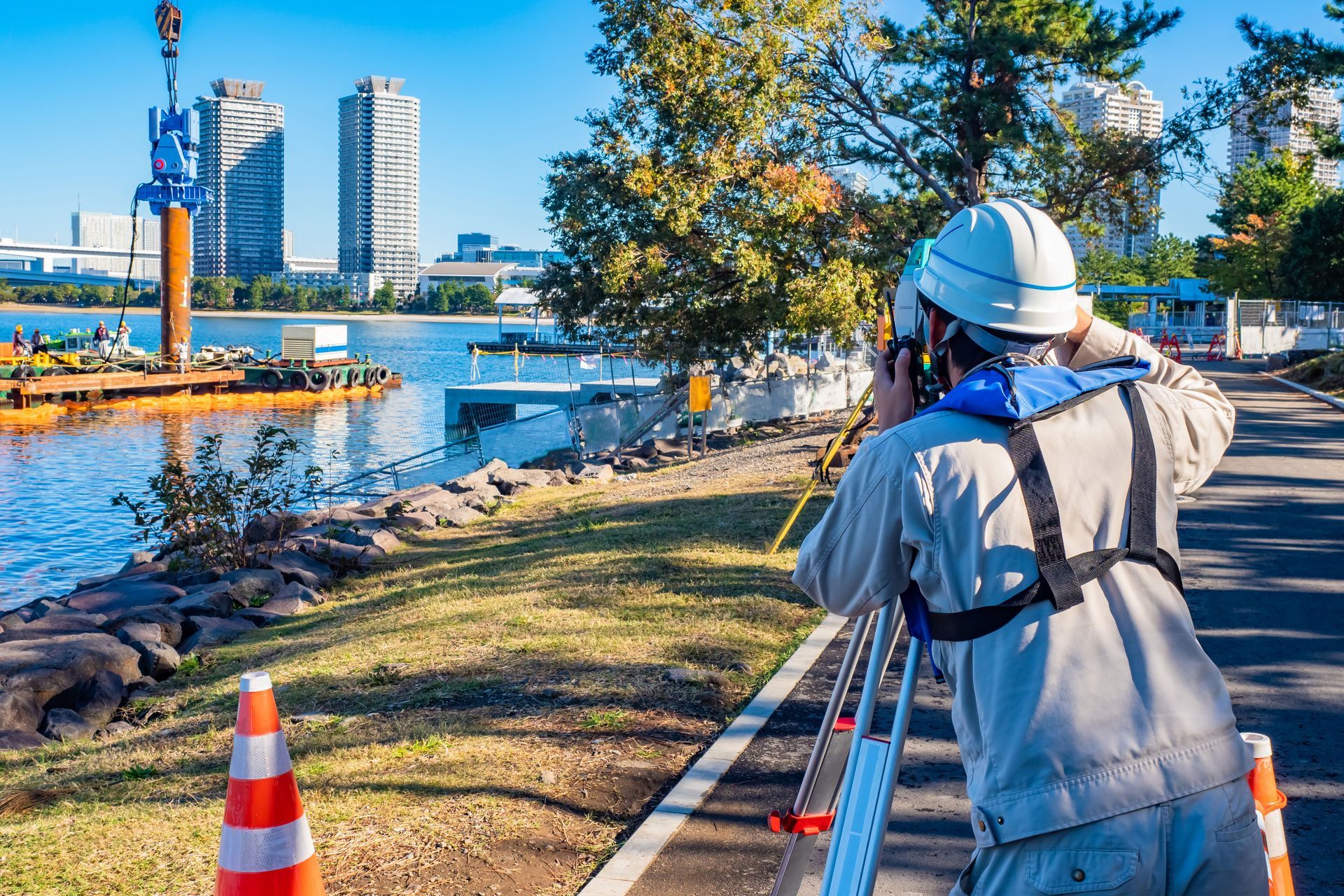
Every project begins with the land itself. Before construction can move forward, professionals need to understand the property’s boundaries, grades, soil conditions, drainage patterns, access points, and utilities. These early details influence nearly every decision that follows, which is why civil engineering often starts with a careful site evaluation.
Site conditions can reveal risks that may not be obvious at first glance. A property may have poor drainage, unstable slopes, hidden utility conflicts, or elevation changes that affect future construction. Without identifying these concerns early, a project could experience foundation problems, erosion, flooding, or costly redesigns after work starts.
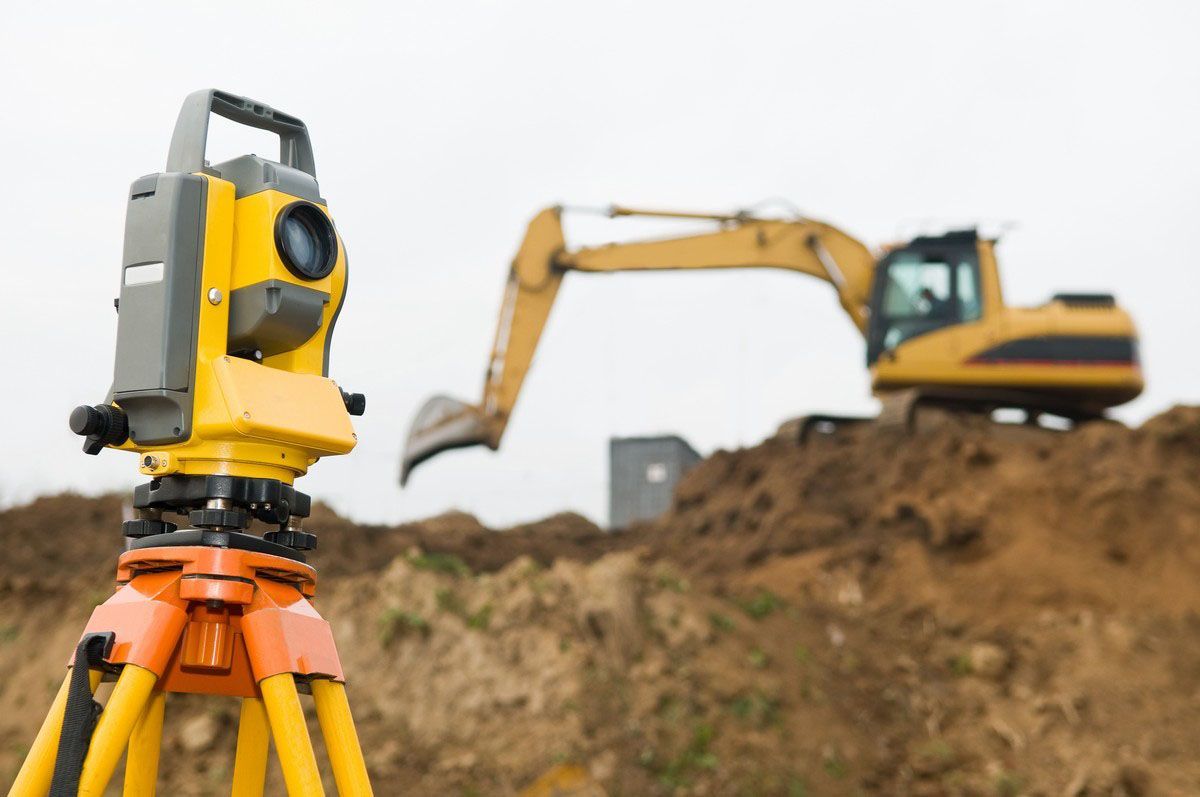
Civil engineering helps reduce those risks by turning site data into practical design information. Surveying, mapping, and field observations help project teams make informed decisions about grading, layout, access, stormwater management, and structural placement. When the land is properly evaluated, the finished project is more likely to remain safe, functional, and durable over time.
Supporting Strong Structural Planning
Structural integrity depends on more than the materials used during construction. It also depends on proper site planning, expected loads, and whether the surrounding environment can support the finished project. Civil engineering helps connect those factors so structures are designed for immediate construction needs and long-term performance.
A project may involve buildings, retaining walls, roads, parking areas, or utility improvements. Each part must work with the others. A poorly graded site can send water toward a foundation, while an undersized drainage system can contribute to erosion near paved areas. These issues may not seem structural at first, but they can weaken a project over time.
Through design review, calculations, layout planning, and coordination with other professionals, civil engineering supports safer construction decisions. It helps ensure that each element of a project is designed for its intended use, local conditions, and expected stresses. This planning can reduce deterioration and give property owners more confidence in the finished work.
Managing Water and Drainage Concerns
Water is one of the most important factors in site safety and structural performance. When stormwater is not managed correctly, it can damage pavement, weaken soil, erode slopes, and place pressure on foundations. That is why civil engineering often includes detailed drainage and stormwater planning.
Proper drainage design considers where water comes from, where it flows, how quickly it moves, and where it should go. This may involve grading plans, culverts, swales, detention areas, storm sewers, or erosion controls. The goal is to move water away from vulnerable areas and manage it according to project requirements.
Civil engineering also helps account for changing site conditions. A property that was stable before construction may behave differently after trees are removed, soil is disturbed, or pavement is added. Because impervious surfaces increase runoff, engineers must consider how development changes water movement. Careful drainage planning supports safer sites and helps protect structures from avoidable water-related damage.
Improving Public and Private Safety
Safety is a major reason professional planning matters. A site must be usable during construction and after the project is complete. Civil engineering helps improve safety by considering traffic flow, pedestrian access, grading, sight distance, drainage, utility placement, and compliance with applicable standards.
For public and commercial spaces, safe access is especially important. Parking lots, driveways, sidewalks, road entrances, and circulation routes need to be designed so vehicles and pedestrians can move efficiently. Poorly planned access points can create visibility issues and preventable hazards. By reviewing these details early, project teams can reduce future safety concerns.
Private projects also benefit from the same level of care. A residential subdivision, driveway, retaining wall, or drainage improvement can affect safety for years. Civil engineering helps identify potential hazards and develop practical solutions before those problems grow. Strong planning supports safer daily use and helps owners avoid preventable failures.
Coordinating Compliance and Project Requirements
Many projects must meet local codes, permitting rules, environmental requirements, and agency standards. These requirements can affect drainage design, grading, access, utilities, erosion control, floodplain considerations, and approvals. Civil engineering helps property owners and developers navigate those requirements with more clarity.
Compliance is not just paperwork. It is closely connected to safety and structural integrity. Codes and design standards often exist because certain site conditions, materials, slopes, water flows, or access layouts can create risks when they are not handled correctly. Following the right requirements helps protect the project, the property owner, future users, and nearby sites.
Professional coordination can also reduce delays. When drawings, reports, surveys, and design details are accurate, reviewing agencies have the information they need. According to Gitnux, civil engineering projects add approximately $2 trillion to the U.S. economy each year. That impact reflects how important well-planned infrastructure, development, and construction projects are nationwide.
Protecting Long-Term Project Performance
A project may look complete when construction ends, but its performance continues for years. Pavement must handle traffic and weather. Drainage systems must continue moving water. Foundations and site features must remain stable. Civil engineering supports long-term performance by helping projects account for use, maintenance, environmental conditions, and future wear.
This long-term perspective is especially important when projects involve land development or infrastructure improvements. Small design decisions can affect maintenance needs for years. Proper grading can reduce ponding on pavement, while smart stormwater planning can help limit erosion and sediment buildup. Well-planned access routes can support safer movement and reduce unnecessary strain on paved surfaces.
Civil engineering also helps owners think beyond immediate construction costs. A design that cuts corners may seem less expensive at first, but it can lead to drainage failures, settlement, repairs, or safety concerns. By prioritizing structural integrity from the beginning, property owners can support better value, fewer surprises, and stronger results over the life of the project.
Building Confidence Through Professional Guidance
Successful projects require many moving parts to come together at the right time. Surveyors, engineers, contractors, architects, owners, developers, and reviewing agencies may all need accurate information to make decisions. Civil engineering helps bring structure to that process by providing technical guidance, clear plans, and practical solutions.
Professional guidance is especially helpful when a project involves unfamiliar requirements or complex conditions. Property owners may know what they want to build, but they may not know how drainage, grading, access, boundaries, utilities, or permits will affect the design. Engineers can explain those factors and align the project vision with safe, realistic construction methods.
Civil engineering ultimately improves safety and structural integrity by reducing guesswork. It helps identify risks, solve problems, and create plans that support stable construction. Whether a project involves land development, surveying, drainage improvements, or site planning, professional support can make the process more organized and dependable. Call Regester Associates, Inc today to schedule your land surveying or civil engineering consultation.