June 9, 2026
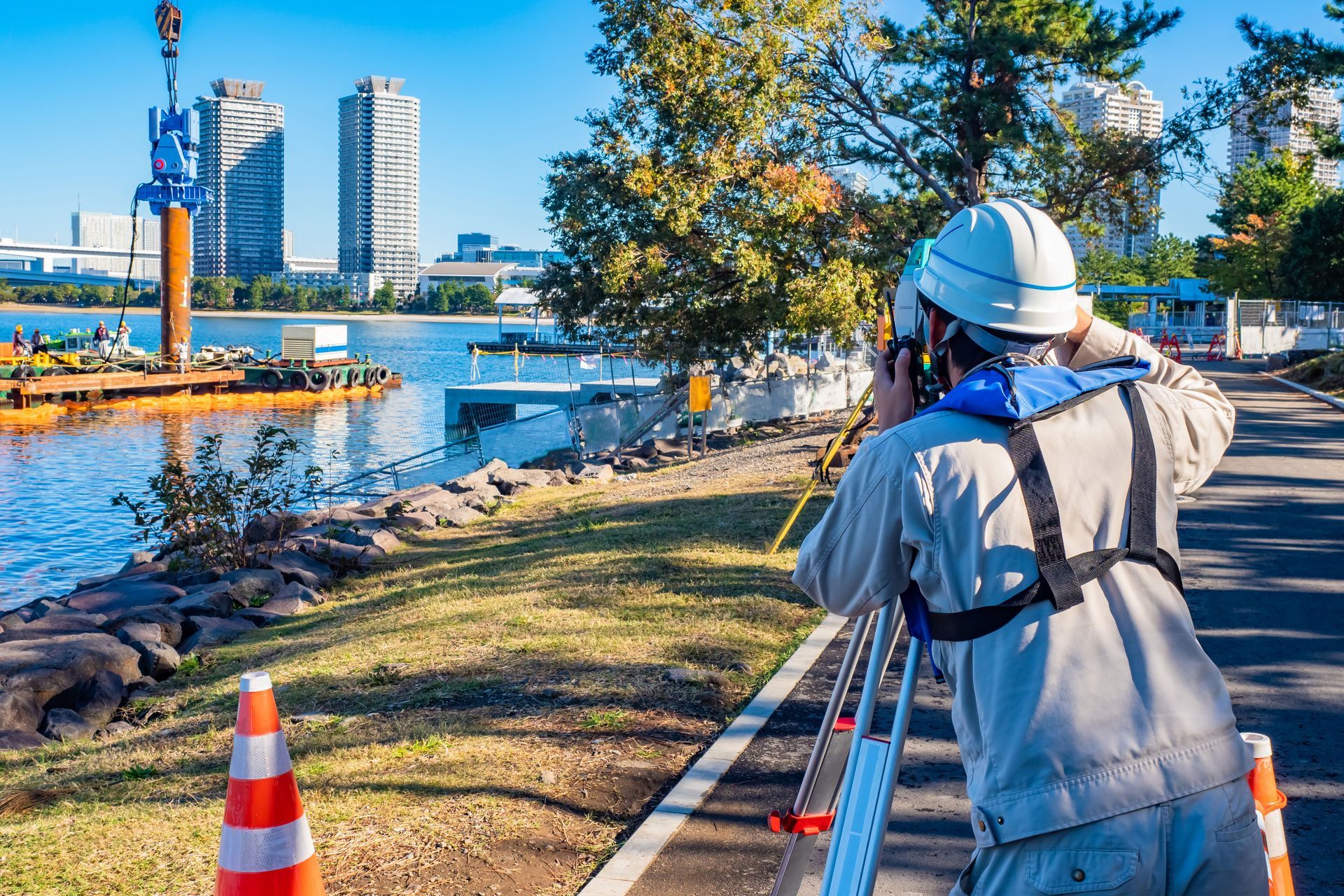
Accurate site surveying helps in identifying the precise boundaries and topographical details necessary for any construction activity. The role of a survey engineer is crucial in ensuring the accuracy and efficiency of planning and construction projects. By understanding the physical landscape, engineers can mitigate potential risks and ensure that the infrastructure meets the required specifications. Let's delve into the various ways a local survey engineer contributes to site accuracy and project success.
Prioritizing the Pre-Construction Phase
In the pre-construction phase, survey engineers are responsible for creating highly detailed maps and plans of the project site. These plans highlight topographical features and natural habitats that could affect the project. By evaluating the site's characteristics, they provide essential information that influences design decisions, cost estimates, and materials selection. Here, survey engineers assist in identifying potential challenges, such as water drainage issues or unstable soil conditions. Furthermore, the use of recycled materials in civil engineering projects has increased by over 35% in the last decade, according to Gitnux, highlighting the importance of sustainable practices from the planning stages.
Taking on Post-Construction Survey Responsibilities
Post-construction, a survey engineer verifies that all elements of the construction adhere to the specified designs and regulations. They conduct surveys that ensure infrastructure stability and safety, highlighting any discrepancies or defects. This verification process is crucial before a project receives official approval and is deemed safe for use. Engineers compare the final built environment against the initial plans to ensure all deviations are registered and corrected. By ensuring these standard protocols, survey engineers facilitate a seamless transition from construction to operational buildings.
Collaborating With Other Stakeholders
Survey engineers work collaboratively with architects, civil engineers, contractors, and government officials to ensure project success. Their expertise lies not only in collecting and interpreting data but also in communicating it effectively to non-specialists. By acting as a bridge between technical data and practical application, they ensure that all stakeholders have a shared understanding of the project's scope. This collaborative approach reduces the potential for misunderstandings and errors in execution. Additionally, the alignment of plans with environmental considerations becomes easier with survey engineers facilitating the exchange of critical information.
Using Modern Surveying Tools
The technological landscape in survey engineering has dramatically transformed with the introduction of modern tools. These tools have revolutionized accuracy levels and the speed at which data can be gathered and analyzed. The use of technologies such as LiDAR (light detection and ranging) allows for highly detailed topographical surveys that were not possible with traditional methods. Survey engineers can now conduct analyses with a degree of precision that mitigates risk and error significantly. This is crucial in optimizing resource use and ensuring projects fall within budgetary constraints.
Integrating GPS and GNSS Systems
Global positioning systems (GPS) and global navigation satellite systems (GNSS) are pivotal in modern survey engineering. They provide surveyors with the precision needed to determine exact coordinates for site boundaries and specific structural elements. These technologies minimize human error, enhancing the reliability of the data collected. By using GPS and GNSS, survey engineers offer assurance that construction plans align precisely with real-world geography. The connectivity of these systems with drones and other advanced surveying tools enriches the data capabilities exponentially.
Taking Advantage of Drone Technology
Drone technology is becoming increasingly prevalent in survey engineering for its ability to quickly and accurately capture high-resolution aerial images. Drones provide a unique vantage point that traditional surveying methods cannot achieve, particularly when dealing with challenging or hazardous terrains. The data captured by drones is vital for creating detailed maps and models. Drones also offer the advantage of accessing large areas in a shorter span of time, thus accelerating the surveying process. The insights garnered from drone technology allow for a more comprehensive understanding of the site and enhance planning accuracy.
Taking Precise Land Measurement
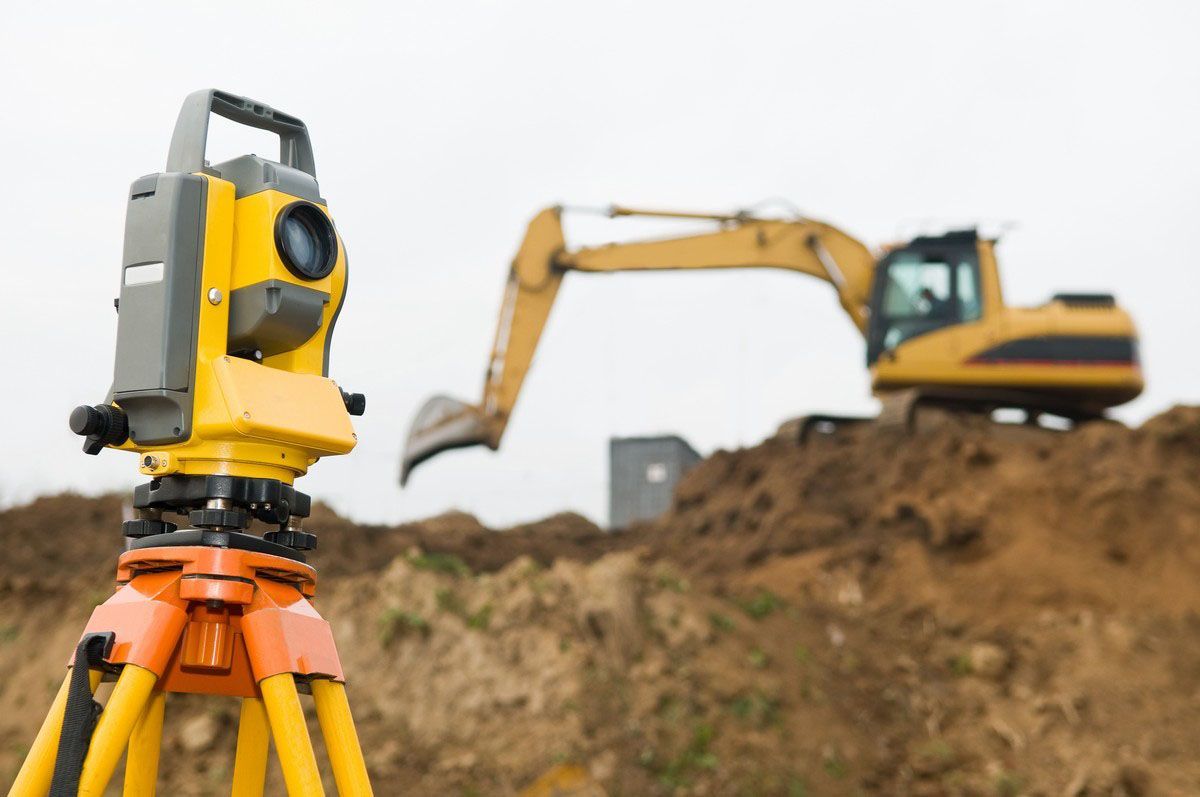
Precision in land measurement is foundational to effective site planning and construction. This avoids disputes over property lines and ensures compliance with legal boundaries. A survey engineer utilizes an array of tools and methodologies to ensure these measurements meet the highest standards of accuracy. Technologies such as total stations and real-time kinematic (RTK) systems play a prominent role in enhancing measurement accuracy. The meticulousness with which these measurements are executed impacts the project's success, as errors in land measurement can lead to significant setbacks.
Ensuring Correct Boundary Demarcations
Accurate boundary demarcations are vital to maintaining the integrity and compliance of a construction project. Survey engineers provide exact demarcations that prevent encroachments and legal issues. By utilizing precise surveying techniques, they can pinpoint boundary lines with remarkable accuracy. This process requires a deep understanding of both the technology used and the legal frameworks surrounding property lines. Establishing correct boundaries ensures all subsequent construction activities are compliant with planning approvals and land-use agreements.
Calibrating and Adjusting
Calibration and adjustment are ongoing processes in ensuring survey equipment operates at peak accuracy. Regular calibration of surveying instruments is essential to maintaining a consistent level of precision. Survey engineers make necessary adjustments to tools and methods to account for environmental changes and technological variations. This adaptability ensures that the data collection process remains accurate and reliable throughout the project lifecycle. A proactive approach to calibration enhances the reliability of any surveys conducted, thereby ensuring the project's adherence to design plans.
Making Accurate Elevation Determinations
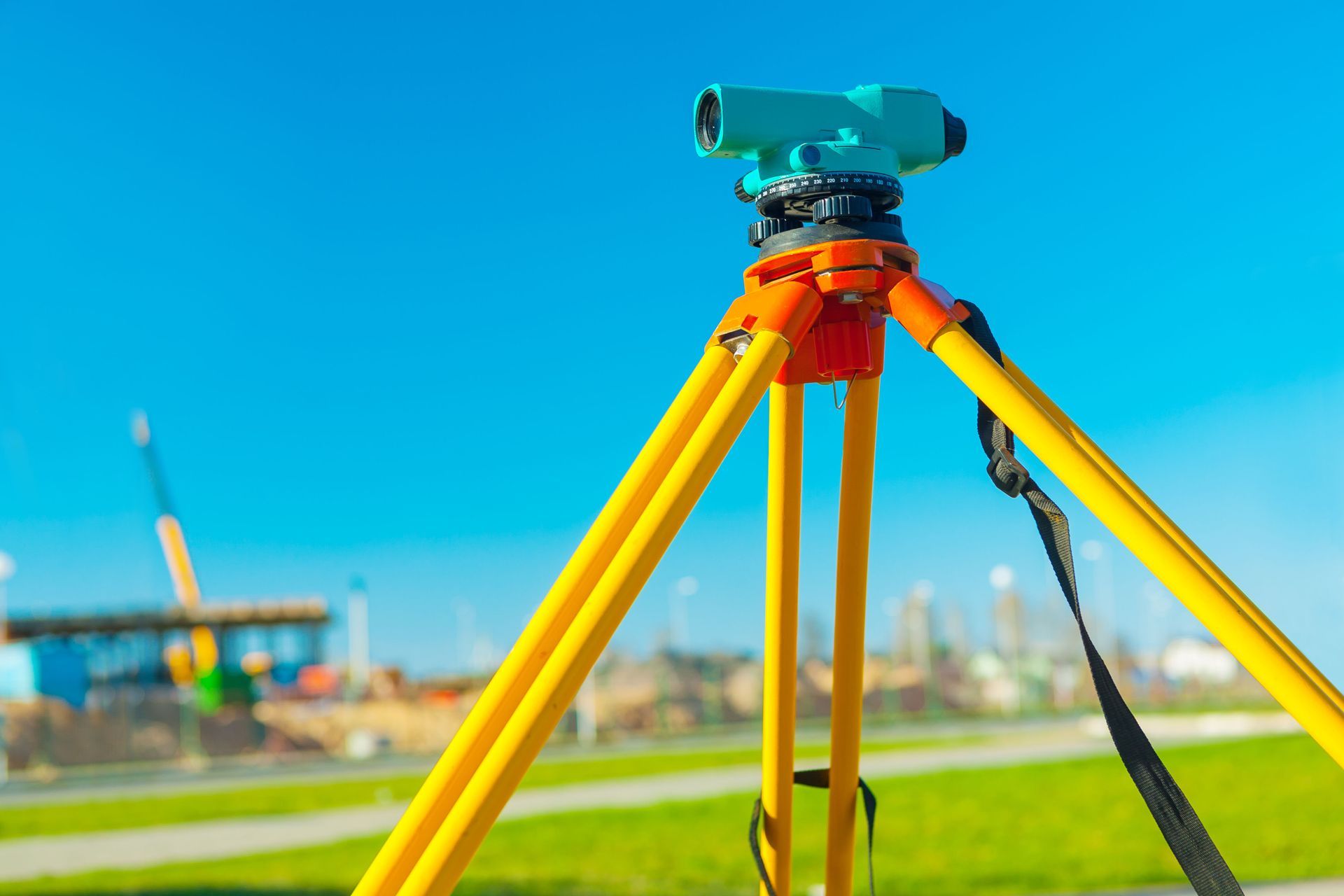
Elevation determinations are crucial for assessing the topography of a project site. Precise measurements of elevation impact decisions on drainage, foundation design, and overall site layout. Survey engineers use leveling techniques and tools, such as auto-levels and laser levels, to determine elevation with precision. These measurements help in preventing drainage issues and structural problems that could arise from faulty elevation assumptions. Accurate elevation data is fundamentally linked to the overall feasibility and safety of a construction project.
Minimizing Errors in Data Collection
Minimizing errors in data collection is a primary concern of a survey engineer. Rigorous methodologies and the right choice of technology are vital in achieving data accuracy. Proper training and an understanding of the equipment used prevent significant discrepancies. Innovations in surveying technologies, like robotic total stations, automate much of the data collection process, reducing human error. By continuously updating knowledge and practices, survey engineers ensure their data collection remains robust, reliable, and accurate for all stakeholders involved.
Conducting Feasibility Studies
Feasibility studies form the basis of informed decision-making in construction projects, highlighting technical and economic aspects early in the process. Survey engineers play a critical role in these studies by providing vital data regarding terrain, soil stability, and environmental impact. This data is integral in assessing whether a project is viable in its proposed location. By identifying potential challenges early, such as zoning issues or environmental concerns, stakeholders can make timely decisions. The insights from these studies also guide financial and resource allocation efficiencies within a project.
Optimizing Land Use Plans
Survey engineers contribute significantly to optimizing land use plans, ensuring that land resources are used effectively and sustainably. They analyze data that informs the logical distribution of various project components on the site. This involves taking into account regulatory compliance, environmental factors, and community needs. A well-optimized land-use plan aligns with urban development goals, supporting sustainable growth and development. Survey engineers are pivotal in balancing these different interests and highlighting potential improvements.
A survey engineer is fundamental in enhancing site accuracy and efficient planning, offering invaluable insight throughout a project's lifecycle. Their role continues to evolve with technological advancements, providing more precise data and engaging with sustainable development practices. If you're ready to get started with a quality survey engineer who can ensure the success of your next project, reach out to Regester Associates, Inc today for a free quote!