September 4, 2026
Construction projects are complex undertakings that require meticulous planning and execution. The intricate nature of these projects often brings about immense challenges that can lead to costly errors if not handled properly. Civil engineer surveyors play a critical role in identifying and mitigating potential errors before they become costly issues. They are responsible for conducting thorough site analyses, employing advanced technologies, and implementing effective project management strategies. This article explores various methods employed by surveyors to ensure project success and prevent errors, aligning construction goals with technological advancement and strategic planning.
1. Comprehensive Site Analysis
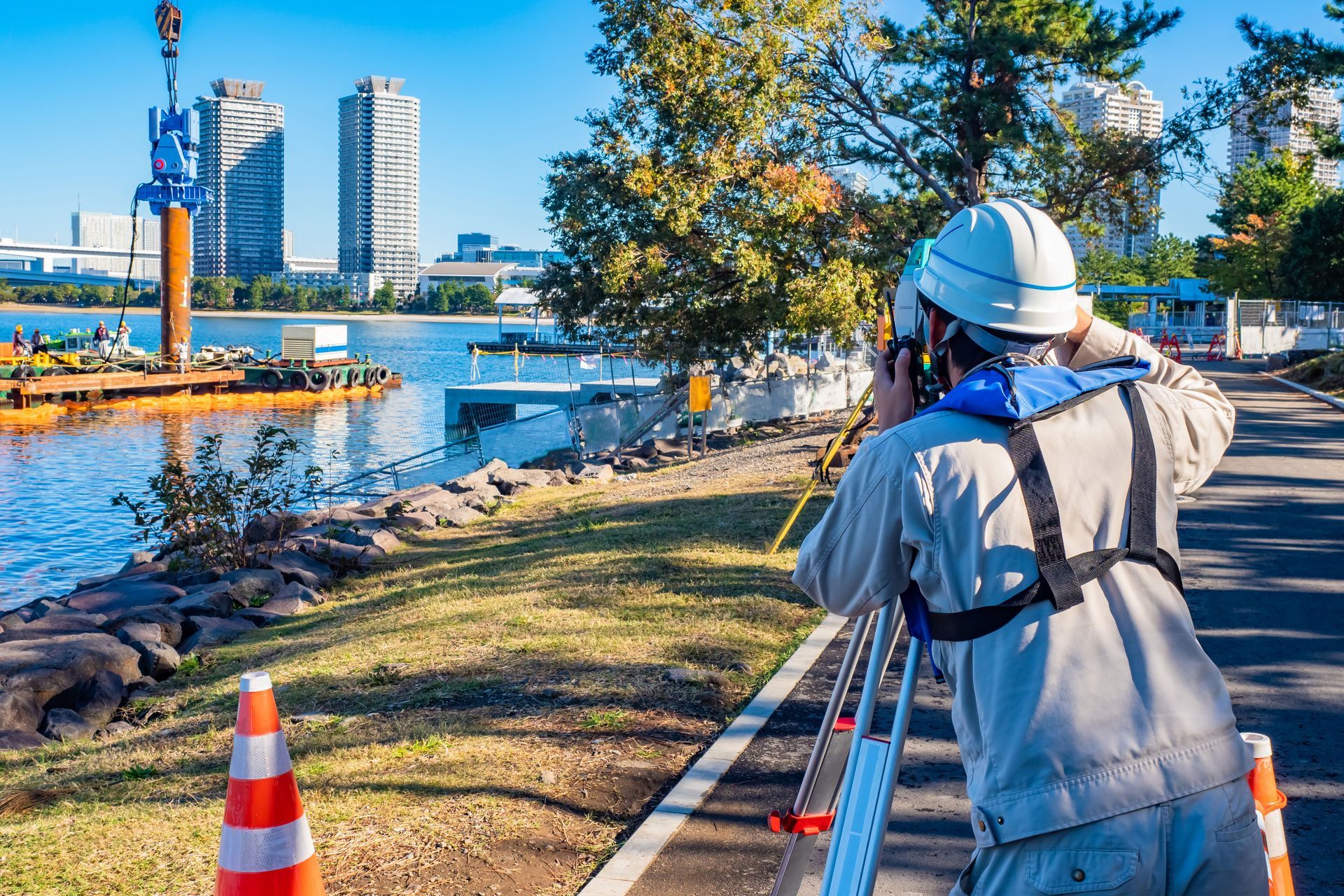
Comprehensive site analysis is a cornerstone of effective construction planning. Civil engineer surveyors conduct topographical surveys that are crucial in providing accurate land measurements to inform design decisions. Modern surveying equipment including GPS and laser scanners is utilized in these surveys to improve precision. With dependable measurements in hand, civil engineer surveyors can help project teams make better-informed decisions before work begins. By mapping out natural features, surveyors can foresee potential drainage issues and address them proactively. Such detailed assessments form a baseline for identifying ideal terrain suitability and ensuring foundational stability, thereby preventing costly amendments during construction phases.
Soil testing and analysis are integral to understanding both the composition and stability of the ground where structures will be built. Evaluating soil stability helps in determining its capacity to support intended structures, which is essential for ensuring the safety and longevity of buildings. Tests for contamination are also critical, especially in areas with historical industrial activity, to prevent potential health risks and structural damage. Civil engineer surveyors adjust construction plans based on these findings, thereby avoiding surprises during execution. This preventive measure not only reduces costs but also aligns with the regulatory requirements for safe construction practices.
Environmental impact assessments (EIAs) are performed to evaluate the potential effects of construction on natural habitats and ecosystems. Civil engineer surveyors play a vital role in preserving these environments by understanding and mitigating risks through comprehensive EIAs. According to Market Growth Reports, the global land surveying market is estimated to reach $694.86 million in 2026, highlighting an increased focus on sustainable and compliant project execution. Surveyors devise strategies that mitigate environmental impact while ensuring compliance with legal and regulatory standards. This approach safeguards the environment and aligns projects with existing sustainability benchmarks.
2. Advanced Technology Utilization
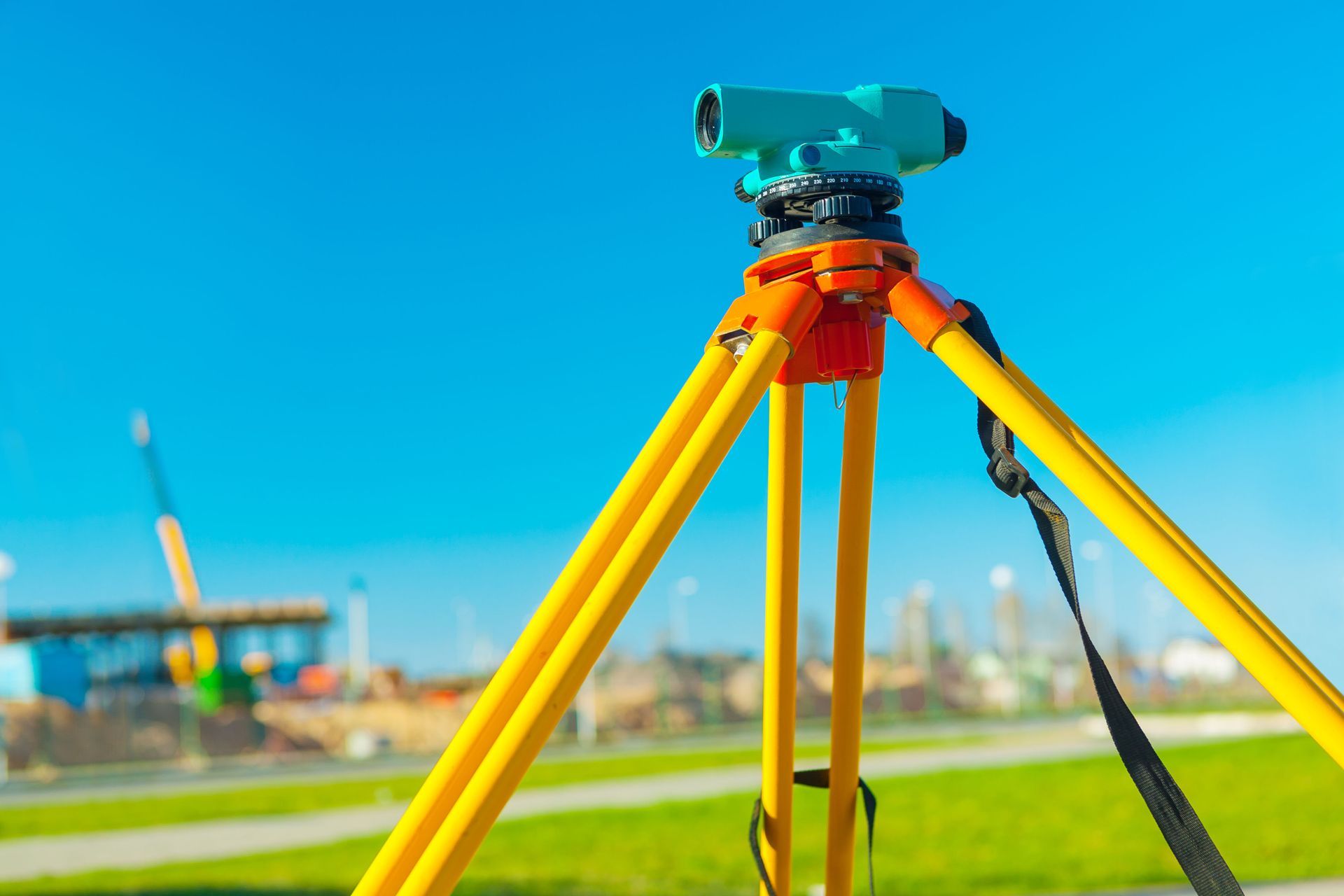
The integration of advanced technology in surveying has revolutionized the way site data is collected and analyzed. The use of GPS and Global Navigation Satellite Systems (GNSS) technology enhances the accuracy of location data and integrates seamlessly with traditional survey equipment. By combining these tools with field expertise, civil engineer surveyors can reduce measurement inconsistencies and improve site coordination. Real-time monitoring capabilities afforded by these systems reduce human error in measurements, thereby improving the reliability of the data garnered during field surveys. Such precision is crucial in ensuring accurate and effective design implementations, with location data that can be easily shared among stakeholders to streamline the construction process.
Drones and aerial surveys have become essential components of modern surveying practices. By providing high-resolution imagery, drones afford surveyors the ability to view project sites from aerial perspectives that were previously inaccessible. This technology is particularly valuable in assessing regions that are difficult to navigate on foot. Moreover, the use of drones accelerates the data collection process, saving time and reducing costs associated with traditional survey methods. By improving site visibility and data accuracy, drones help in identifying and addressing potential issues early in the construction lifecycle.
Building Information Modeling (BIM) stands out as a transformative tool in the construction industry. This advanced technology allows for the creation of detailed 3D models of construction plans, enhancing project visualization for surveyors and stakeholders alike. By streamlining collaboration, BIM aids in predicting construction issues and facilitates effective communication between different project teams. Moreover, integrating construction lifecycle data within BIM empowers stakeholders to make informed decisions, ensuring that plans are executed efficiently and potential errors are mitigated.
3. Effective Communication and Coordination
Successful construction projects hinge on effective communication and coordination among all involved parties. Regular stakeholder meetings are essential in ensuring that everyone is aligned with project objectives and progress. These meetings provide a platform for discussing developments, addressing concerns, and exchanging information to facilitate collaboration. The proactive sharing of updates helps in maintaining transparency and ensures timely resolution of potential issues. Through such interactions, civil engineer surveyors play a pivotal role in steering projects toward successful completions.
Establishing detailed reporting mechanisms is crucial for maintaining clear lines of communication throughout a project’s lifecycle. Civil engineer surveyors can use these reporting systems to document measurements, changes, and potential concerns in a clear and accessible format. Standardized reporting formats and the incorporation of digital tools aid in issuing timely updates on project developments, reducing information gaps. Such comprehensive reporting ensures that stakeholders have access to critical data and insights necessary for informed decision-making. Additionally, it supports retrospective analysis, allowing for the assessment of project successes and shortcomings, thereby creating opportunities for improvement in future undertakings.
Conflict resolution strategies are essential in keeping a project on track and minimizing disruptions. Civil engineer surveyors contribute to project stability by identifying potential disputes early and facilitating open dialogues between conflicting parties. By mediating negotiations and implementing resolution frameworks, surveyors help maintain project momentum. Prompt resolution of conflicts is vital in ensuring that projects do not fall behind schedule or exceed budget constraints. Such strategic interventions safeguard the project’s integrity and ensure that construction goals are met successfully.
4. Thorough Project Planning
Thorough project planning is a fundamental aspect of preventing construction errors. Through detailed site assessments, surveyors analyze site constraints and consider adjacent properties that might impact the project. This process integrates site-specific data to foresee potential challenges and tailor plans to fit optimally within the designated environment. By customizing plans early on, surveyors ensure that project execution proceeds smoothly without unexpected modifications that could inflate costs and delay timelines.
Pre-construction planning sessions are instrumental in setting the stage for successful project execution. Surveyors collaborate with other stakeholders to develop detailed plans, which include identifying critical project milestones and aligning resources strategically. Establishing contingency protocols during these sessions ensures that unforeseen challenges are navigated effectively. Moreover, securing necessary permits and approvals early in the process is a testament to thorough planning, reflecting a proactive approach in avoiding regulatory setbacks.
Effective scheduling and timeline management are key components of successful project delivery. Creating realistic timelines that account for potential delays enables the efficient allocation and management of resources. Civil engineer surveyors also help project teams coordinate surveying activities with construction milestones so that critical measurements are completed at the appropriate stages. Surveyors monitor project milestones closely, ensuring that any necessary adjustments are made promptly to maintain project momentum. Improved time efficiency translates into cost savings, aligning the project with both budgetary constraints and quality standards. Strategic planning in this regard underpins the successful completion of construction endeavors.
Preventing costly construction errors is a crucial responsibility borne by civil engineer surveyors. Through comprehensive analysis, advanced technology, effective communication, and continuous learning, they safeguard project integrity and success. Surveyors focus on proactive problem-solving, as evidenced by the predicted growth of the global land surveying market. This proactive approach ensures projects are completed on time, within budget, and to the highest quality standards. The crucial role of surveyors in modern construction highlights the importance of their methods in driving successful outcomes. Call Regester Associates, Inc today to learn more.